
This Black History Month - Honoring Black Women Who Changed the Course of Healthcare, Health, and Wellness
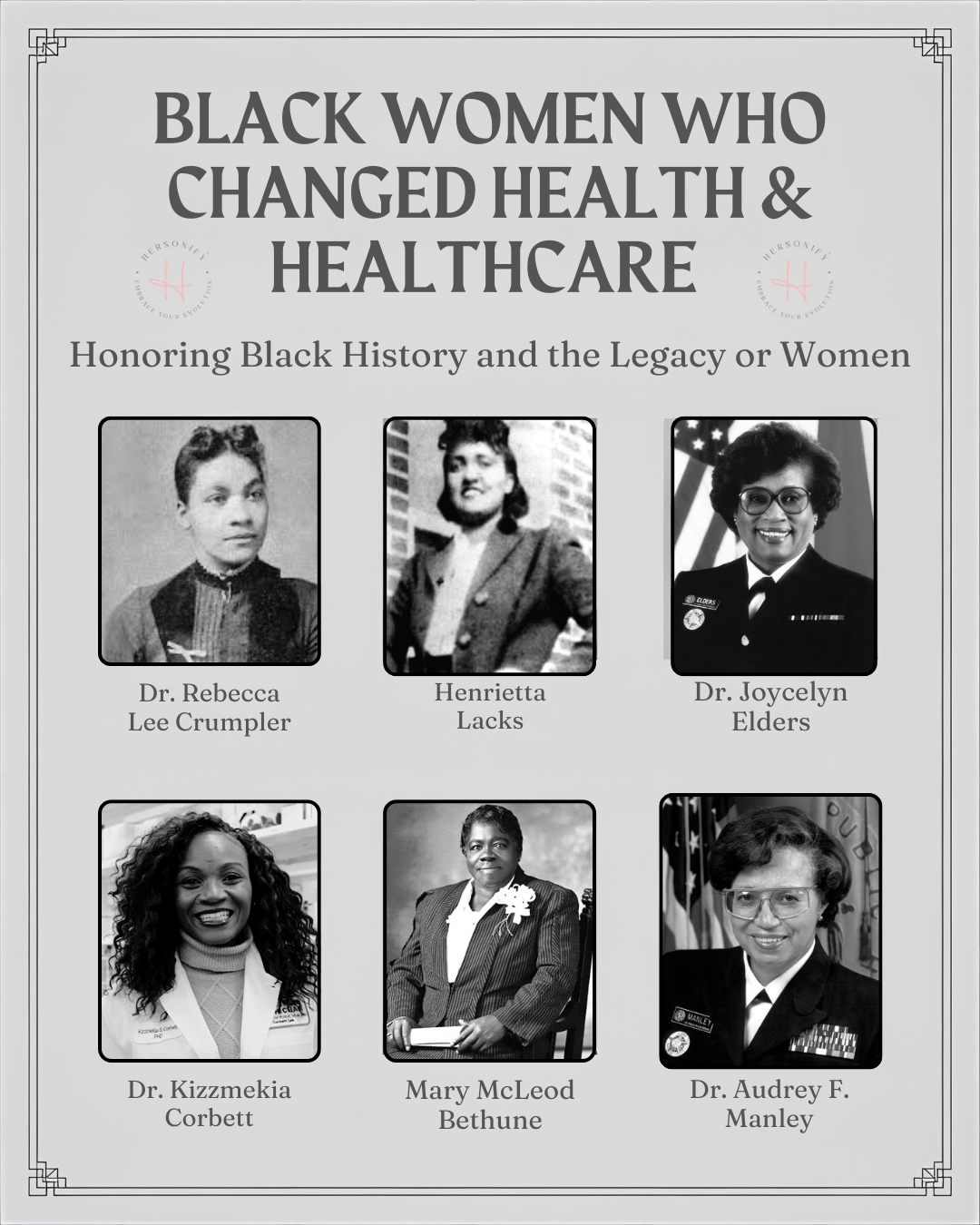
As we enter the final week of Black History Month, let’s carry the momentum of honor and recognition forward through the transition to Women’s History. This is a great time to recognize Black women who’ve represented excellence in our fields. For health and healthcare, Black women have long been innovators, healers, educators, scientists, and advocates, often advancing healthcare and public health in spaces where they were underrepresented, undervalued, or excluded altogether. Yet, their leadership has shaped how care is delivered, how research is conducted, and how wellness is understood today.
As we reflect during this final week of February and look ahead to March, let’s take this opportunity to honor Black women, not only for resilience, but for excellence, expertise, and lasting influence in health and healthcare.
Dr. Rebecca Lee Crumpler: Pioneering Community-Centered Care ✨
Dr. Rebecca Lee Crumpler was the first Black woman to earn a medical degree in the United States. Practicing medicine during the post Civil War era, she provided care to formerly enslaved people who had little to no access to medical services.
Her work focused heavily on educating women and families on nutrition, hygiene, and caring for children to prevent illness.She also opened a free health clinic in Boston for women and children and published a pioneering medical text focused on maternal and pediatric care.
Henrietta Lacks: A Lasting Legacy in Medical Research ✨
Few individuals have had as profound an impact on modern medicine as Henrietta Lacks. Her cells (taken without her consent) became the first immortal human cell line and have contributed to countless medical breakthroughs, including cancer treatments, vaccines, and virology research.
Her story also sparked critical conversations around medical ethics, patient consent, and equity - conversations that continue to shape research standards today.
Dr. Joycelyn Elders: Advancing Public Health Conversations ✨
As the first Black U.S. Surgeon General, Dr. Joycelyn Elders transformed national conversations around public health, prevention, and health education.
Her outspoken leadership challenged stigma and emphasized honest, evidence-based approaches to health, reminding us that effective healthcare requires transparency, education, and access for all communities.
Dr. Kizzmekia Corbett: Innovation and Representation in Science ✨
Dr. Kizzmekia Corbett played a pivotal role in the development of COVID-19 vaccines, helping accelerate one of the most important public health responses in modern history.
Beyond her scientific contributions, Dr. Corbett has become a powerful voice for representation in STEM, inspiring future generations to see themselves in science, medicine, and research.
Mary McLeod Bethune: Education as a Health Equity Tool ✨
While often recognized for her leadership in education and civil rights, Mary McLeod Bethune understood deeply that education and health are inseparable.
By expanding access to education and advocating for Black families at the highest levels of government, she helped create pathways to economic stability, improved living conditions, and better health outcomes by opening the first Black hospital in Daytona Beach, Florida, and establishing the McLeod Hospital and Training School for Nurses.
Dr. Audrey F. Manley: Championing Health Equity and Policy ✨
Dr. Audrey F. Manley was a longtime leader within the U.S. Public Health Service, becoming the first Black woman appointed to principal deputy assistant secretary for health in the U.S. Public Health Service in 1987, and the first African American woman to achieve the rank of Assistant Surgeon General (Rear Admiral) in 1988.
Her work focused on reducing health disparities, strengthening public health infrastructure, and ensuring underserved communities were included in policy decisions. Her legacy reminds us that equitable healthcare requires leadership at both the clinical and systemic levels.
Why Their Work Still Matters Today
The contributions of these women extend far beyond history books. They influence how we think about:
Access to care
Ethics in medical research
Public health education
Representation in healthcare leadership
Equity in wellness and prevention
As someone working in health and wellness, I’m continually inspired by Black women who push the industry forward through their resilience, but through excellence, innovation, and leadership.
This Black History Month, may we celebrate their achievements by continuing the work: amplifying voices, supporting equitable systems, and ensuring that healthcare and wellness truly serve everyone.